Back to Blog

    Behind the Curtain

    The History of Moroccan Design in San Francisco Architecture

    From Golden Gate Park to the San Francisco Magic Theater, Moroccan style has long shaped the city's sense of atmosphere and wonder.

    San Francisco has always had a soft spot for places that feel transportive. This is a city that appreciates mood, character, and a little drama. That may be one reason Moroccan and Moorish-inspired design has had such a lasting presence here. From the grand spectacles of the 1894 Midwinter Fair in Golden Gate Park to the city's ornate movie palaces and intimate lounges, Moroccan design in San Francisco architecture has long been tied to fantasy, beauty, and escape.

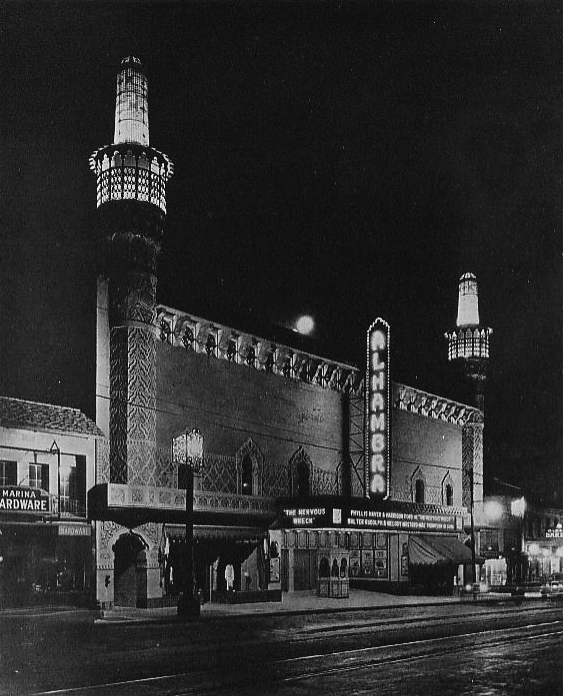
    The Alhambra Theatre at night, San Francisco, circa 1926
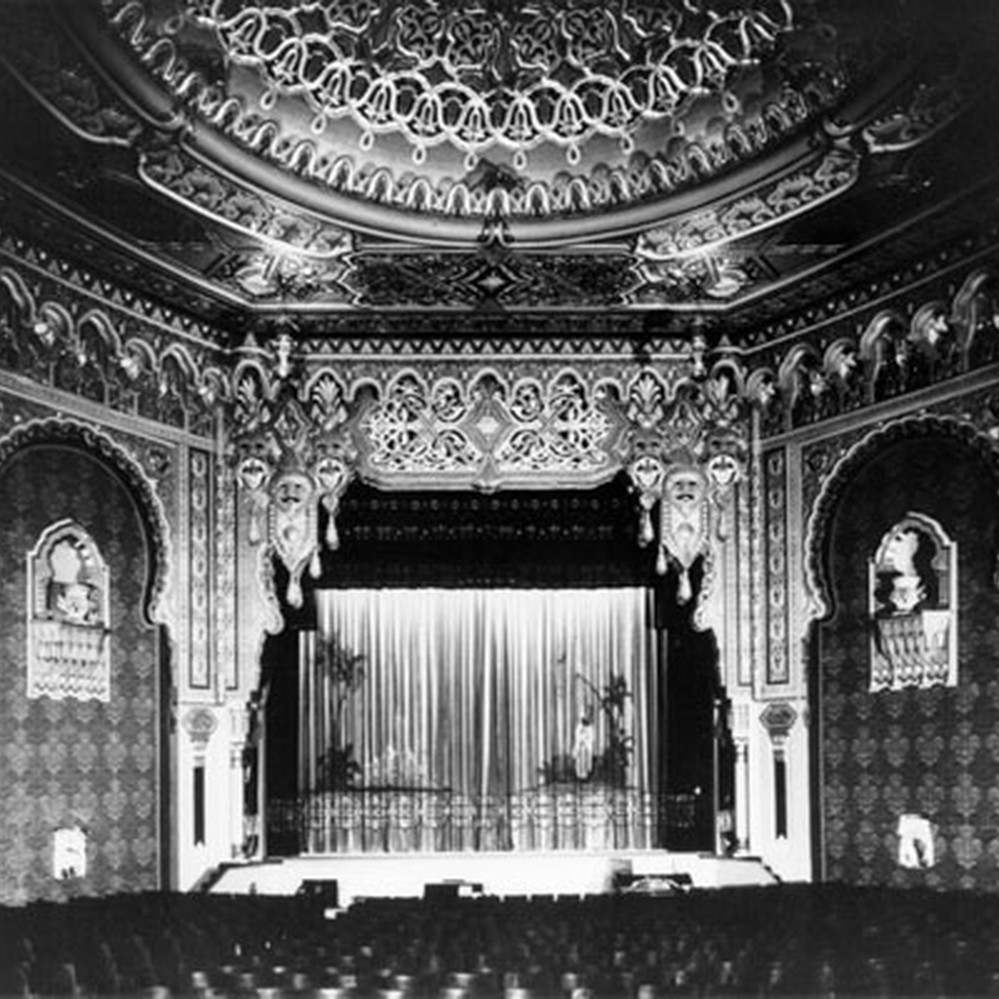
    Ornate Moorish Revival interior of the Alhambra Theatre
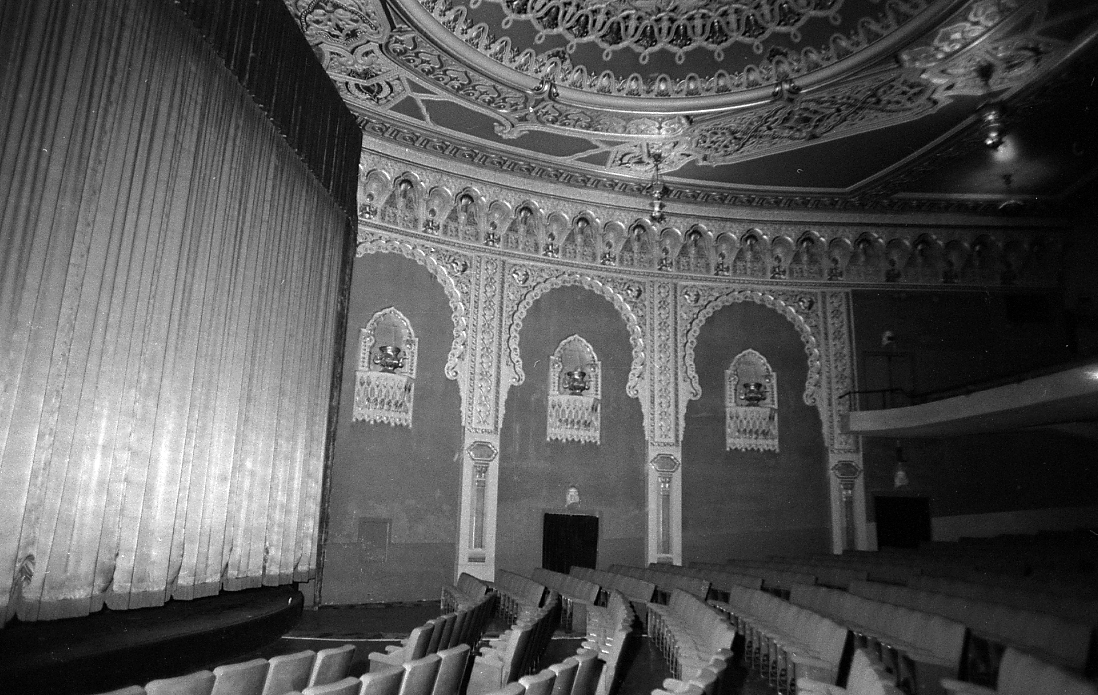
    Moorish arches and decorated ceiling inside the Alhambra Theatre

    The Alhambra Theatre, San Francisco — a landmark of Moorish Revival design

    A Long Fascination with Moorish and Moroccan Style

    San Francisco's interest in Moroccan-inspired architecture goes back more than a century. During the California Midwinter International Exposition in 1894, Golden Gate Park was transformed into a fantasy world of themed buildings and international pavilions. Contemporary accounts of the fair describe features like a "Moorish Village" and "Turkish Village," showing how strongly Moorish imagery and design were woven into the event's visual identity.

    Much of the fair was temporary, but its influence lingered. It helped establish a taste for architecture that did more than function. It created atmosphere. It invited visitors into another world. That same instinct would keep showing up in San Francisco architecture for decades to come.

    Why Moroccan Design Worked So Well in San Francisco

    Moroccan and Moorish-inspired design has always been about more than decoration. It creates emotion. Arches, ornamental detailing, tile, warm color, patterned surfaces, and dramatic lighting all work together to create a sense of mystery and romance.

    San Francisco Planning's historic preservation materials note that Moorish and Byzantine Revival styles appeared especially in commercial buildings, apartment houses, and movie theaters. In other words, these were often the buildings meant to impress, entertain, and transport.

    That makes perfect sense in a city like San Francisco. This has never been a place satisfied with the plain or predictable. San Francisco has always embraced places with personality, places that feel like an experience from the moment you walk through the door.

    The Art of Moroccan Tilework

    At the heart of Moroccan design is zellige, hand-cut mosaic tilework arranged in mesmerizing geometric patterns. Unlike Western decorative traditions that favor figurative art, Islamic design channels creative energy into abstract geometry and calligraphy, producing surfaces that seem to vibrate with mathematical precision. San Francisco embraced this language early, incorporating geometric tile and plasterwork into everything from bathhouses to bank lobbies.

    The Alhambra Theatre and the City's Love of Theatrical Design

    One of the best-known local examples is the Alhambra Theatre on Polk Street. Built in 1926 and designed by Miller & Pflueger, the theater is recognized as a Moorish Revival landmark in San Francisco. Its very name points to Andalusian inspiration, and its design reflects the era's love for richly atmospheric spaces that turned a night at the theater into something larger than a simple outing.

    This is one of the reasons Moroccan design has endured in entertainment spaces. It sets a tone. Before the performance even begins, the architecture tells you that you are somewhere special.

    Moroccan Design and the Art of Escape

    That may be the real through-line in the history of Moroccan design in San Francisco architecture: escape. Whether it was a world's fair installation, a movie palace, or an intimate performance venue, Moroccan-inspired design offered San Franciscans something immersive. It suggested elegance, mystery, warmth, and possibility.

    It also blurred the line between architecture and storytelling. The room itself became part of the experience.

    How That Tradition Lives On at the San Francisco Magic Theater

    That same spirit is alive today at the San Francisco Magic Theater at the Marrakech. Our theater draws on Moroccan-inspired design not as a gimmick, but as part of a long San Francisco tradition of creating spaces that feel intimate, magical, and unforgettable.

    The warm lighting, rich textures, and sense of hidden-world glamour are all part of the experience. Guests do not just attend a show. They step into an atmosphere. And in a city with such a rich history of Moorish and Moroccan-inspired spaces, that feels especially fitting.

    Why This Design Style Still Resonates

    Moroccan design still works because it offers something people want now more than ever: a feeling. It slows people down. It sparks curiosity. It makes a night out feel memorable before anything has even happened on stage.

    In a world full of generic spaces, Moroccan-inspired interiors stand out. They feel layered, romantic, and alive. That is why this style has had such staying power in San Francisco, from Golden Gate Park's grand fairground fantasies to the city's historic theaters and lounges today.

    Visit a Moroccan-Inspired Theater in San Francisco

    If you love San Francisco history, immersive design, or unforgettable nights out, the San Francisco Magic Theater at the Marrakech offers a chance to experience that tradition for yourself. Moroccan design has been part of the city's architectural story for generations. We are proud to keep that mood, mystery, and sense of wonder alive.

    Looking for a Unique Night Out in San Francisco?

    Join us at the San Francisco Magic Theater and experience a venue where architecture, atmosphere, and magic come together.

    Get Tickets
    Get Tickets